| |
Unlocking data-driven solutions for cardiovascular care
| |
| |
| |
Welcome to the CVDLINK newsletter! | |
CVDLINK is a collaboration between clinicians, tech developers, research centres, and ethicists. Together, we aim to harness the power of data to create AI tools to aid in the treatment of cardiovascular diseases. Our goals include securely integrating medical, clinical, genetic, and other real-world data sources into a federated and FAIRified dataset; creating AI tools to aid in the treatment, diagnosis, and prevention of cardiovascular diseases; and developing a Platform-as-a-Service for healthcare providers and researchers, validated by studies in five countries. We’ll be sending newsletters roughly every six months until the end of the project - follow us for updates about our research, activities, and other outputs. | |
| |
| |
| |
| |
| |
| |
| |
It’s been a busy start for the CVDLINK consortium. In January 2024 we kicked off the project, and since then we’ve submitted several reports laying the groundwork for successful project implementation and had our first in-person plenary meeting to discuss the many complex challenges we plan to address throughout the project. These challenges include data integration, ethical issues, fostering public trust in AI, and the development of effective medical AI tools. | |
| |
| |
| |
Want to learn more about the CVDLINK project? | |
Read this short article outlining our approach, workflow, and objectives. | |
| |
| |
| |
| |
New blog: Building trust in medical AI | |
| |
| |
What measures should be taken to ensure AI tools are transparent and trustworthy enough to implement in healthcare systems? In a recent blog, our partners from CERTH explain the biggest challenges related to trust, ethics, and AI. They cover explainability and other methods to ensure AI tools are transparent, accountable, and trustworthy, and break down CVDLINK’s approach to embedding these principles in our work. | |
| |
| |
| |
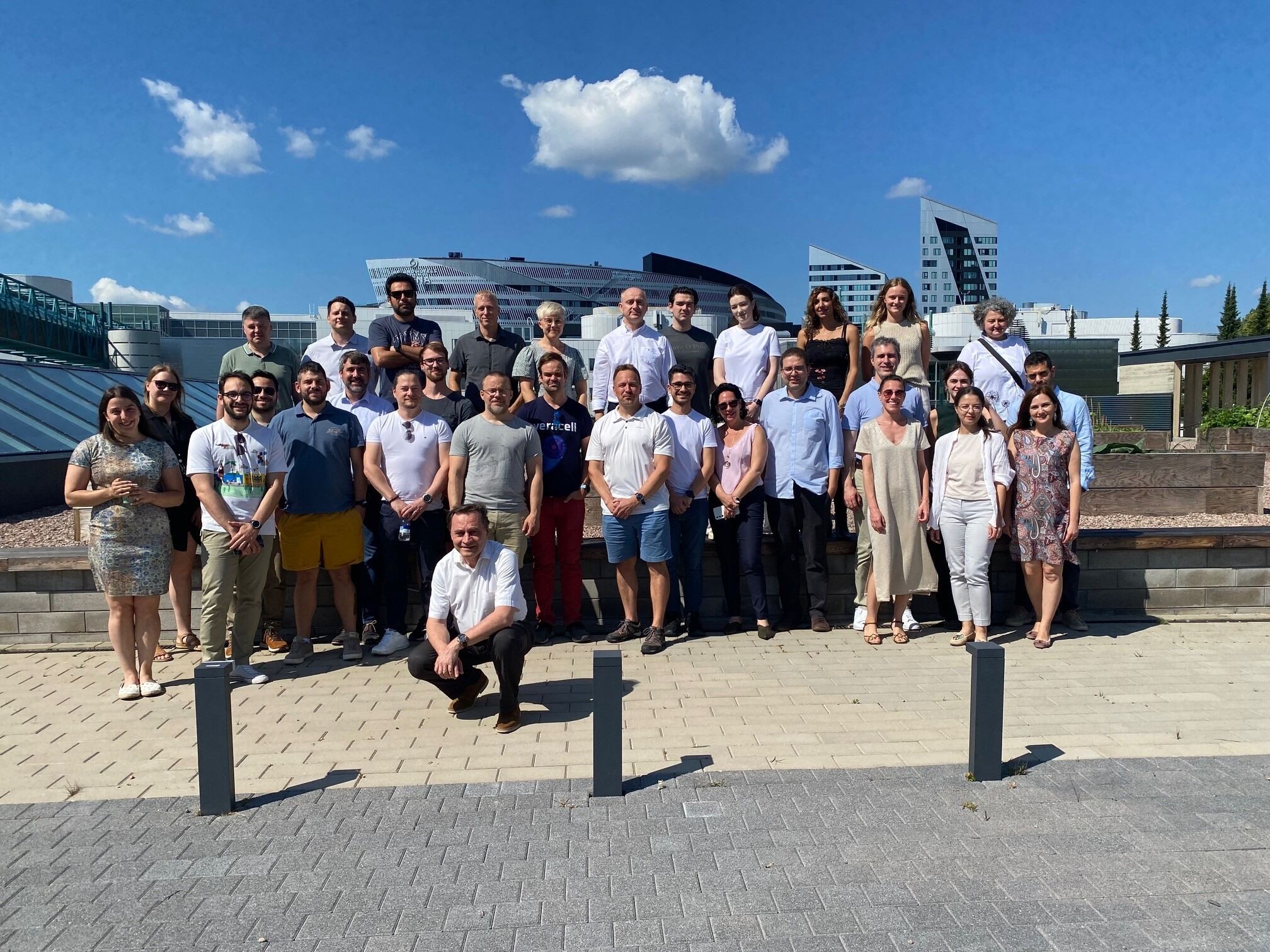
The CVDLINK consortium met last June in Tampere, Finland for their first plenary meeting. Read highlights from the event at the link below.
| | | |
| |
| |
Call for survey participants | |
We’re looking for healthcare professionals to take part in an online survey about the use of risk assessments in cardiovascular care. This will help us identify the most common methods and prevalent challenges associated with cardiovascular risk assessments, informing our efforts to create an AI-powered tool to aid cardiovascular medicine. Learn more at the link below. | |
| |
| |
| |
| |
The World Health Organisation, “Cardiovascular diseases (CVDs) factsheet.” | |
Did you know that CVDs are the leading cause of death globally? This factsheet from the WHO lays out key statistics and drivers of these illnesses, as well as best practices for healthcare workers treating CVD patients. | | | |
| |
Vayena, Effy, et al., “Machine learning in medicine: Addressing ethical challenges,” PLoS Med 15, no. 11 (2018): e1002689. https://doi.org/10:1371/journal.pmed.1002689 | |
| |
Machine learning mechanisms (MLm) have the potential to transform healthcare. But studies show that most people aren’t comfortable with the integration of AI tools in medical settings, largely due to uncertainty about ethical issues such as privacy, transparency, and accountability. Vayena et al. catalogue these challenges and issue a series of recommendations. “To merit the trust of patients and adoption by providers, MLm must fully align with data protection requirements, minimize the effects of bias, be effectively regulated, and achieve transparency,” the authors write. “Addressing such ethical and regulatory issues...is essential for avoiding unnecessary risks.” | |
| |
| |
| |
| |
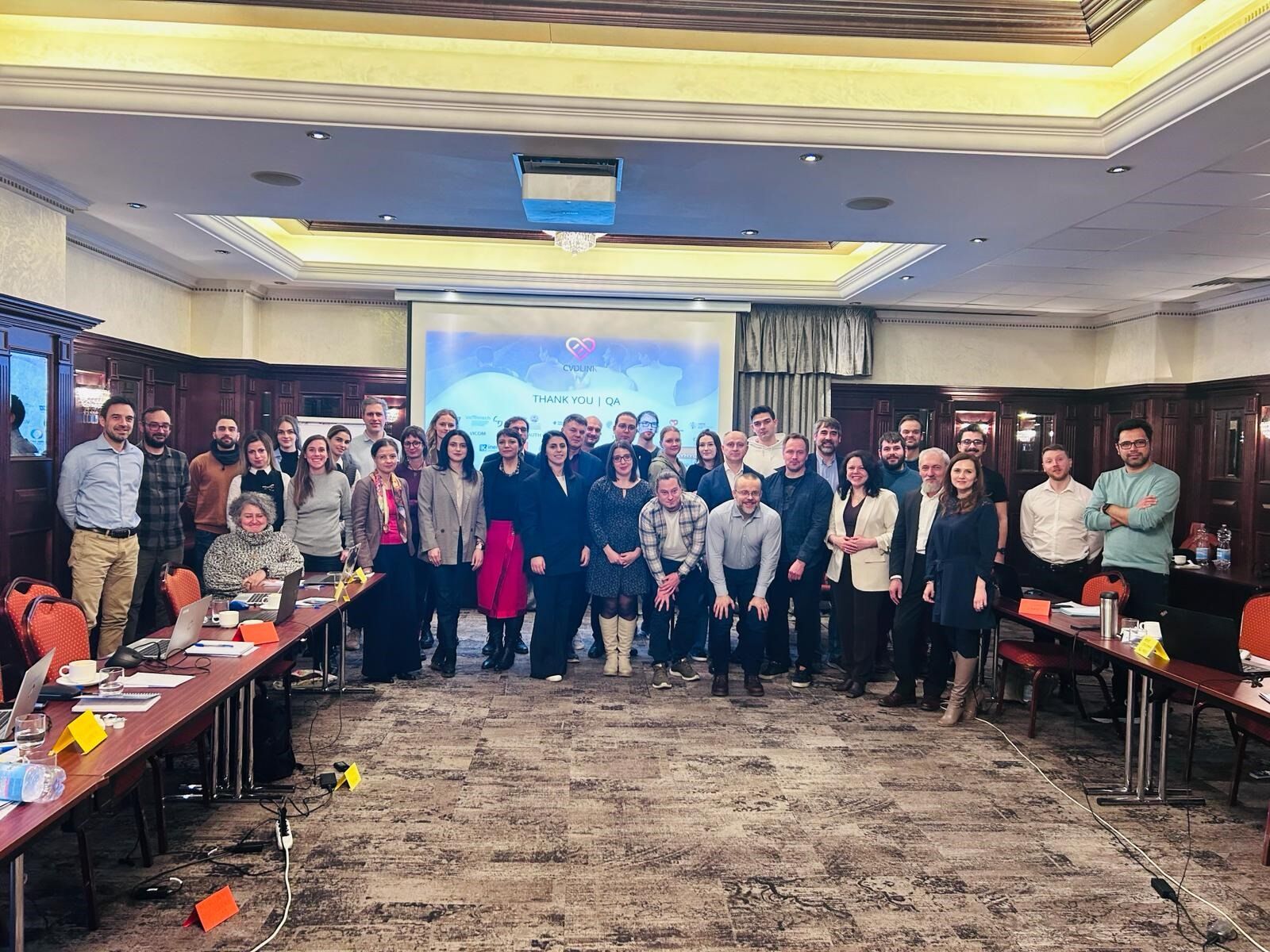
The CVDLINK project kicked off in January 2024 at SIMAVI headquarters in Bucharest. Read a press release marking the event. | | | |
| |
| |
| |
The CVDLINK project brings together 19 partners from various backgrounds, including clinicians, AI experts, technology developers, and ethicists. For more information on the project partners, visit our website. | | | |
| |
| |
| |
Forward this newsletter to your network, and they can sign up right here. | |
By signing up for our newsletter, you are giving us consent to process your name and email address. For further information visit the dedicated Privacy Policy on our website. | |
| |
| |
| |
| |
Funded by the European Union. Views and opinions expressed are however those of the author(s) only and do not necessarily reflect those of the European Union or the European Health and Digital Executive Agency. Neither the European Union nor the granting authority can be held responsible for them. | | | |
You are receiving this newsletter because you have expressed interest in the project (informed consent, GDPR Art. 6.1.a) or because you work in a field related to the topics covered by the project (legitimate interest, GDPR Art. 6.1.f.). If you no longer want to receive these emails, update your preferences or unsubscribe from this list. | |
| |
| |